Research
Research
Simple and humble actions, define our research style
Accessible, reproducible and inclusive.
We craft opportunities for our students to participate in real-world research and empower them to create their legacy through their own research ideas.


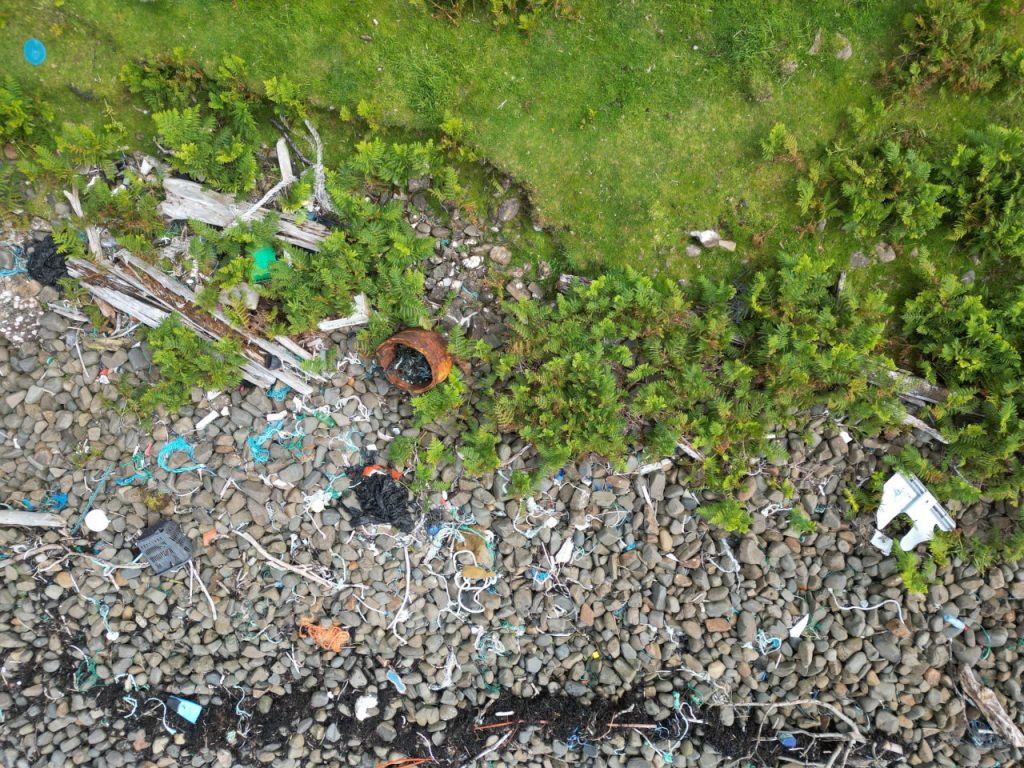
Dot the beach
Partnering with the 50 years of litter on Skye research project, students analyse drone data and develop brand new litter classification methods to be used by the public, on beaches and in wadis.
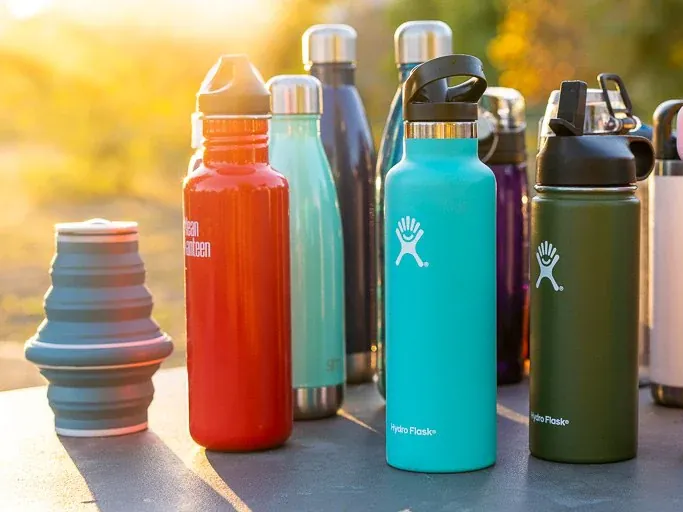
#ihavemyownbottlethanks
#ihavemyownbottlethanks
Our hashtag campaign is as bold as our colourful water bottles! We are on a mission to turn the tide on single-use plastic bottle consumption. We want everyone to REFUSE them! We need to denormalise their place in our society. Are you with us?
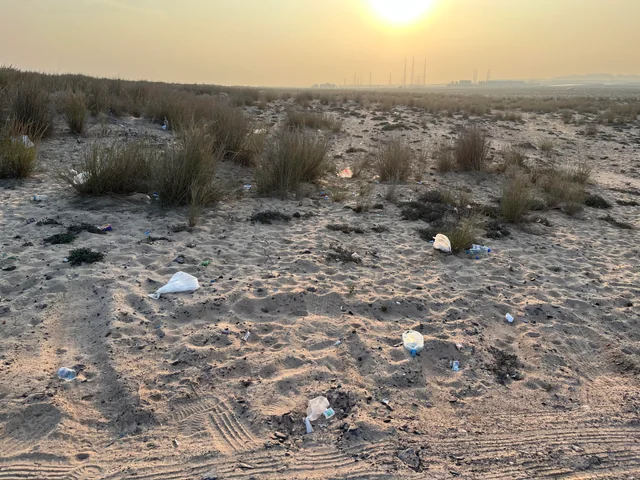
a sign of change
In partnership with Sultan Qaboos University, this research projects aims to test whether signs designed by students, or official signs can stop littering on beaches and in wadis.
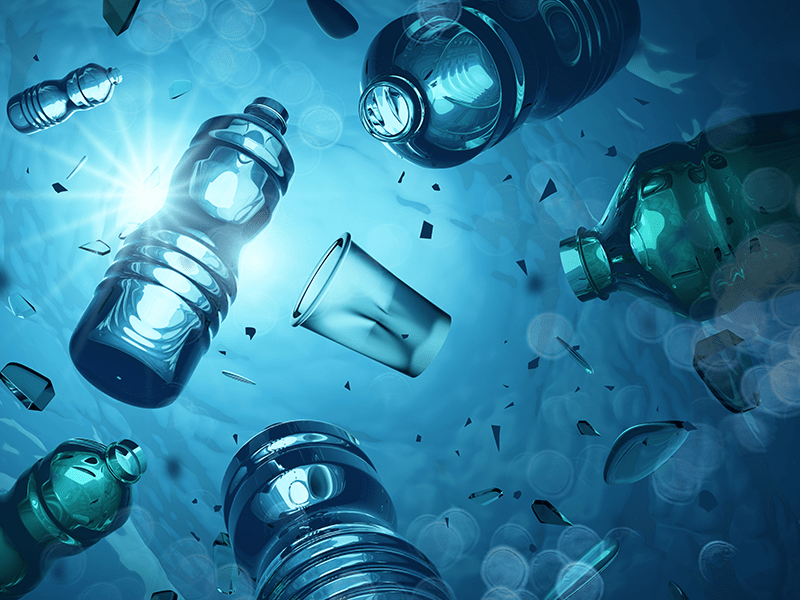
the great plastic survey
Understanding the baseline of your field of study, the status quo, the current situation, is fundamentally important. Here, students and their families answer questions as part of a ‘first of its kind’ questionnaire, aimed at highlighting perceptions around single-use plastic use, in the GCC.
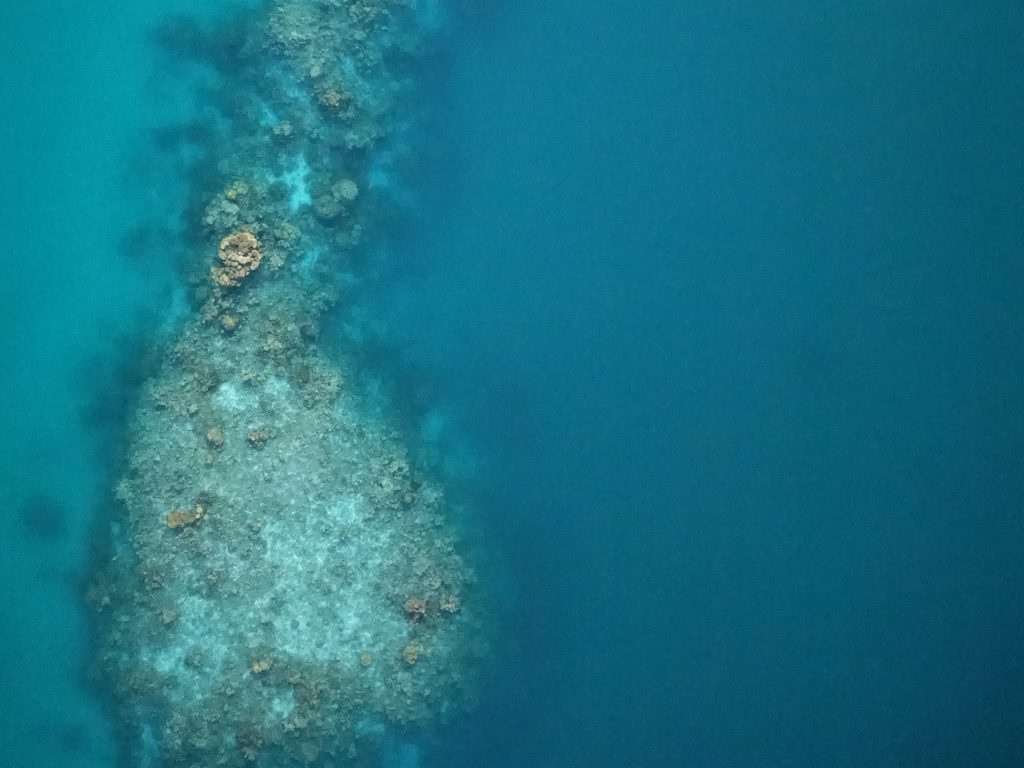
coral monitoring
Project Earthlings founded the first Oman Coral Working Group. Through this, students will participate in coral surveying and analysis of imagery from the Dimaniyat islands in Oman and beyond.
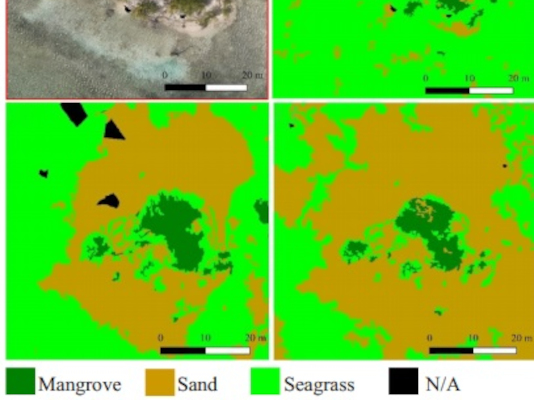
habitat mapping
Currently, there isn’t a habitat map of the Dimaniyat islands! Through our surveys and remote sensing work, we will start to build an accurate habitat map in QGIS. This map will be regularly updated as the reefs die and grow and as the island changes through the seasons.
The earthlings journal
From December to May each academic year, we will be open for submission from all ages, for journal style pieces (reflective of their field) for consideration. Themes are broad, but anything that resonates with the ethos of Earthlings, is encouraged. Over the summer, the journal will be published in a digital form, to celebrate the achievements and creativity of our Earthlings across the schools, worldwide.
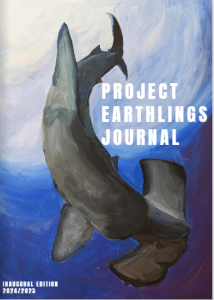
We are proud to share the inaugural Project Earthlings Journal and look forward to working on the 2025/2026 edition.