UCN Congress 2025: A young person’s perspective
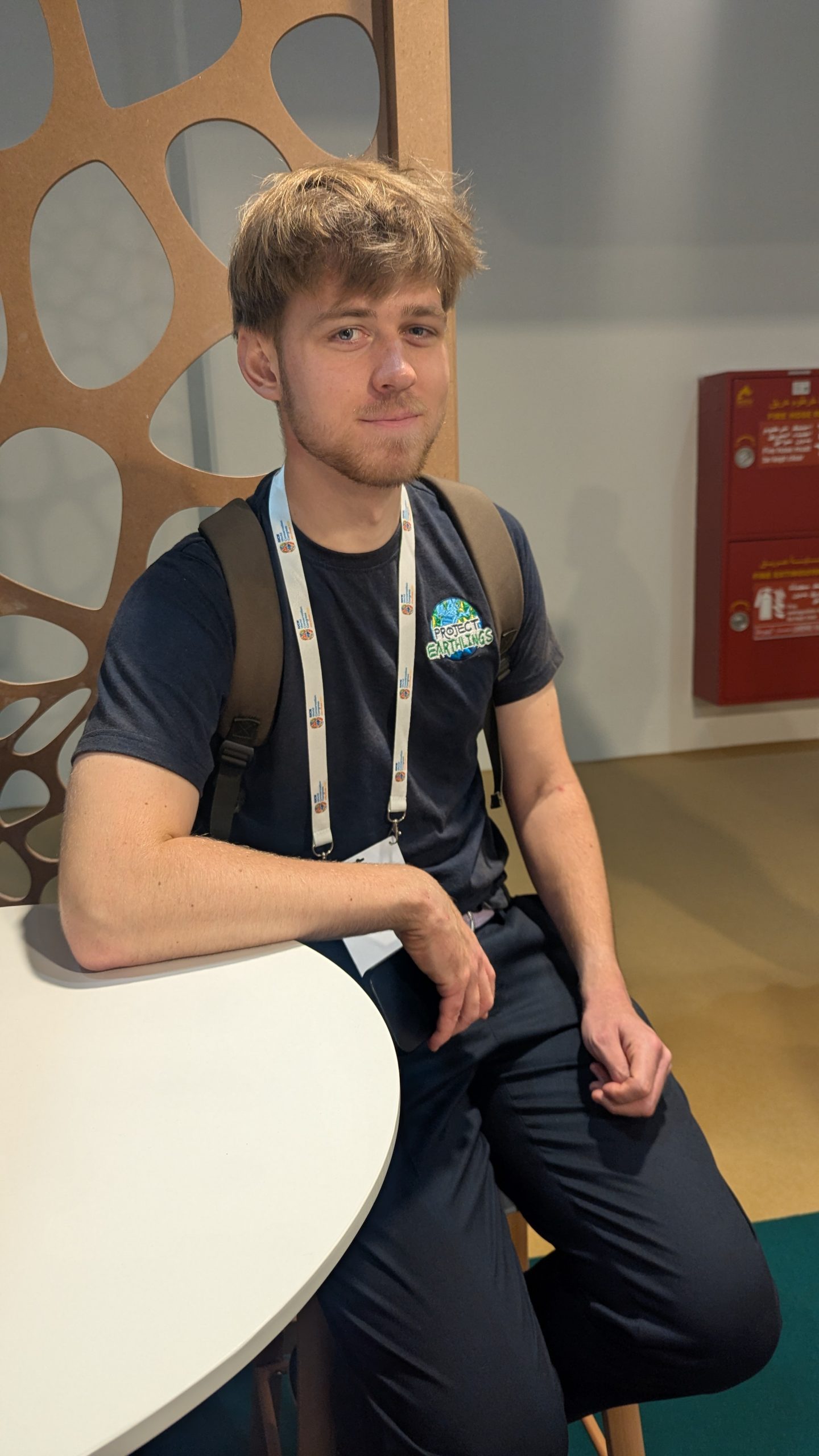
Held once every four years, the IUCN World Conservation Congress gathers thousands of conservation scientists, indigenous peoples, leaders and decision-makers from government, civil society and academia, in one marketplace for conservation ideas, research and innovation. This is where the world works together to set conservation priorities and drive meaningful conservation action and policy. The IUCN’s unique convening power ensures that both state and non-state actors can collaborate to set the conservation agenda that will define the next decades. However, as a young professional at Project Earthlings, I wanted to know, where do young people fit into that equation?
Young people are the next up-and-coming generation of the conservation workforce and community, something Project Earthlings strives towards. Our involvement in the current conservation priorities is crucial for tackling global challenges, yet our work often goes unnoticed in global decision-making spaces. The IUCN Congress recognises the value of youth and young professionals and facilitates youth participation through multiple events during the Congress.
The Youth Summit opened the day before the official opening of the Congress. It provided a space for global youth leaders and grassroots activists to share how they’re shaping the future for conservation. The Youth Summit created open dialogue surrounding youth participation and engagement in the IUCN, exploring how resources can be better utilised to fund and support youth-led conservation projects, and stories of innovation, courage, and impact. This set a good precedent for youth engagement in the official congress to come.
The Congress Forum is a major part of the larger Congress. Unlike the decision-making assemblies, forums are open to any stakeholder and attendee and host a variety of sessions. In attendance at ‘From Classroom to Congress: Engaging Youth in International Environmental Policy-Making’, it became obvious that youth had a larger voice than originally anticipated. This youth-led session explained how university students were able to submit motions to the IUCN to be voted on during the Congress. Both success stories and failures were shared, highlighting the complexity of the motion proposal process. Motions are the mechanisms by which the IUCN members influence third parties and guide the IUCN’s general policy. However, failures were framed as ‘redirections’ and students were encouraged to find other avenues to implement their conservation priorities. This was found to be particularly eye-opening to discuss how youth can get involved with environmental law and the growth-mindset surrounding ‘failure’. These forums addressed some of the goals Project Earthlings aims to achieve and identified the importance of framing setbacks as redirection, not rejection.
Outside of events dedicated to discussing youth engagement, the Congress fostered intergenerational dialogue between people of many backgrounds. The exhibition featured IUCN members, businesses, partners, and academia hosting booths and pavilions. Walking around the exhibition, it was possible to delve into the showcased research and innovations. Both familiar, global entities and smaller, local entities were present and through both private discussions and open talks, it was clear that youth had a voice across sectors, but it could be larger.
The IUCN Congress addressed many threats that the environment faces; However, the message received was that everyone is working hard in their corner of the world to mitigate these threats. Project Earthlings will use the connections and information we’ve gained to further connect students and youth with conservation, both in the classroom and field.
By Harry Swain

UCN Congress 2025: A young person’s perspective
Held once every four years, the IUCN World Conservation Congress gathers thousands of conservation scientists, indigenous peoples, leaders and decision-makers from government, civil society and academia, in one marketplace for conservation ideas, research and innovation. This is where the world works together to set conservation priorities and drive meaningful conservation action and policy. The IUCN’s unique convening power ensures that both state and non-state actors can collaborate to set the conservation agenda that will define the next decades. However, as a young professional at Project Earthlings, I wanted to know, where do young people fit into that equation?
Young people are the next up-and-coming generation of the conservation workforce and community, something Project Earthlings strives towards. Our involvement in the current conservation priorities is crucial for tackling global challenges, yet our work often goes unnoticed in global decision-making spaces. The IUCN Congress recognises the value of youth and young professionals and facilitates youth participation through multiple events during the Congress.
The Youth Summit opened the day before the official opening of the Congress. It provided a space for global youth leaders and grassroots activists to share how they’re shaping the future for conservation. The Youth Summit created open dialogue surrounding youth participation and engagement in the IUCN, exploring how resources can be better utilised to fund and support youth-led conservation projects, and stories of innovation, courage, and impact. This set a good precedent for youth engagement in the official congress to come.
The Congress Forum is a major part of the larger Congress. Unlike the decision-making assemblies, forums are open to any stakeholder and attendee and host a variety of sessions. In attendance at ‘From Classroom to Congress: Engaging Youth in International Environmental Policy-Making’, it became obvious that youth had a larger voice than originally anticipated. This youth-led session explained how university students were able to submit motions to the IUCN to be voted on during the Congress. Both success stories and failures were shared, highlighting the complexity of the motion proposal process. Motions are the mechanisms by which the IUCN members influence third parties and guide the IUCN’s general policy. However, failures were framed as ‘redirections’ and students were encouraged to find other avenues to implement their conservation priorities. This was found to be particularly eye-opening to discuss how youth can get involved with environmental law and the growth-mindset surrounding ‘failure’. These forums addressed some of the goals Project Earthlings aims to achieve and identified the importance of framing setbacks as redirection, not rejection.
Outside of events dedicated to discussing youth engagement, the Congress fostered intergenerational dialogue between people of many backgrounds. The exhibition featured IUCN members, businesses, partners, and academia hosting booths and pavilions. Walking around the exhibition, it was possible to delve into the showcased research and innovations. Both familiar, global entities and smaller, local entities were present and through both private discussions and open talks, it was clear that youth had a voice across sectors, but it could be larger.
The IUCN Congress addressed many threats that the environment faces; However, the message received was that everyone is working hard in their corner of the world to mitigate these threats. Project Earthlings will use the connections and information we’ve gained to further connect students and youth with conservation, both in the classroom and field.
By Harry Swain